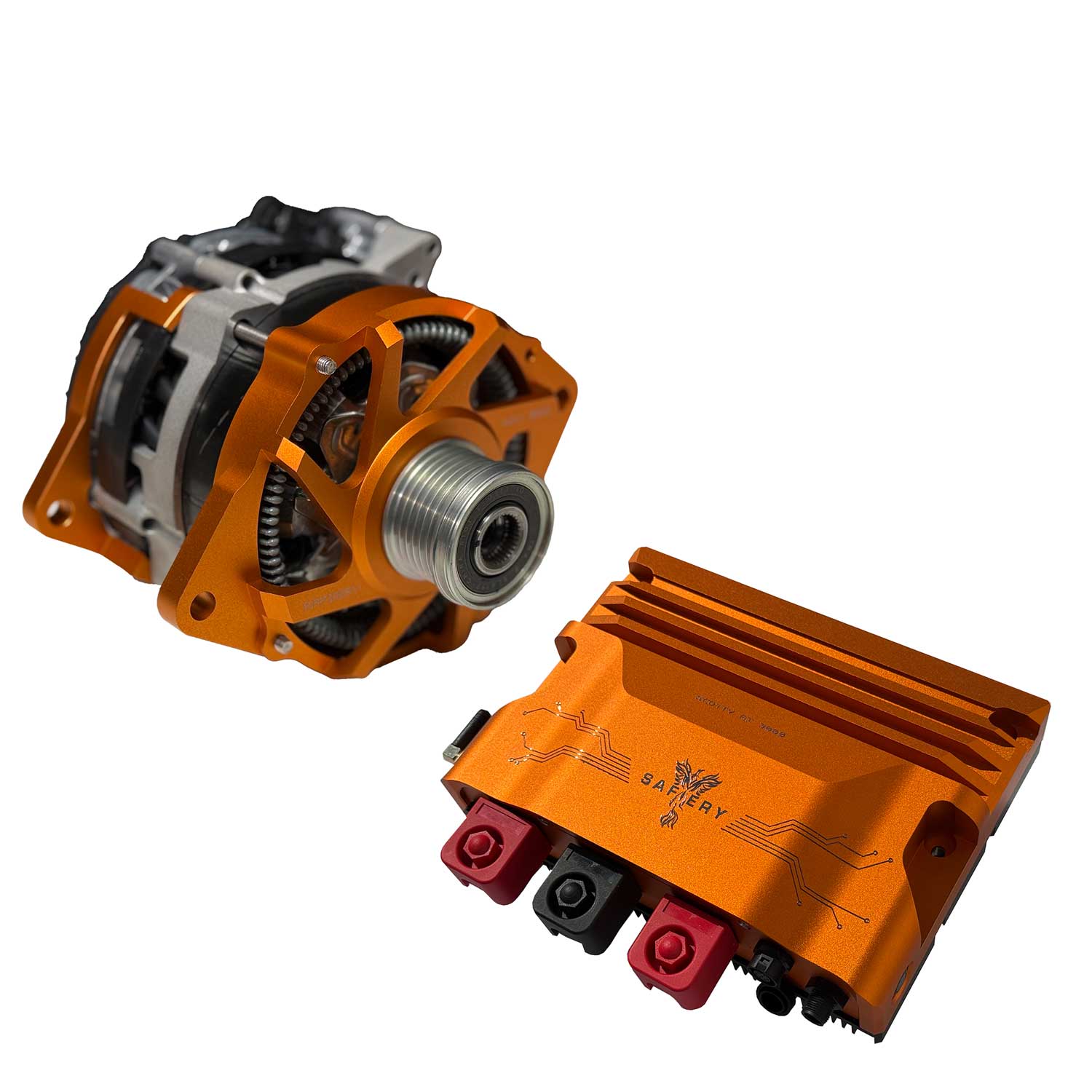
– Bi-Directional Power Flow:
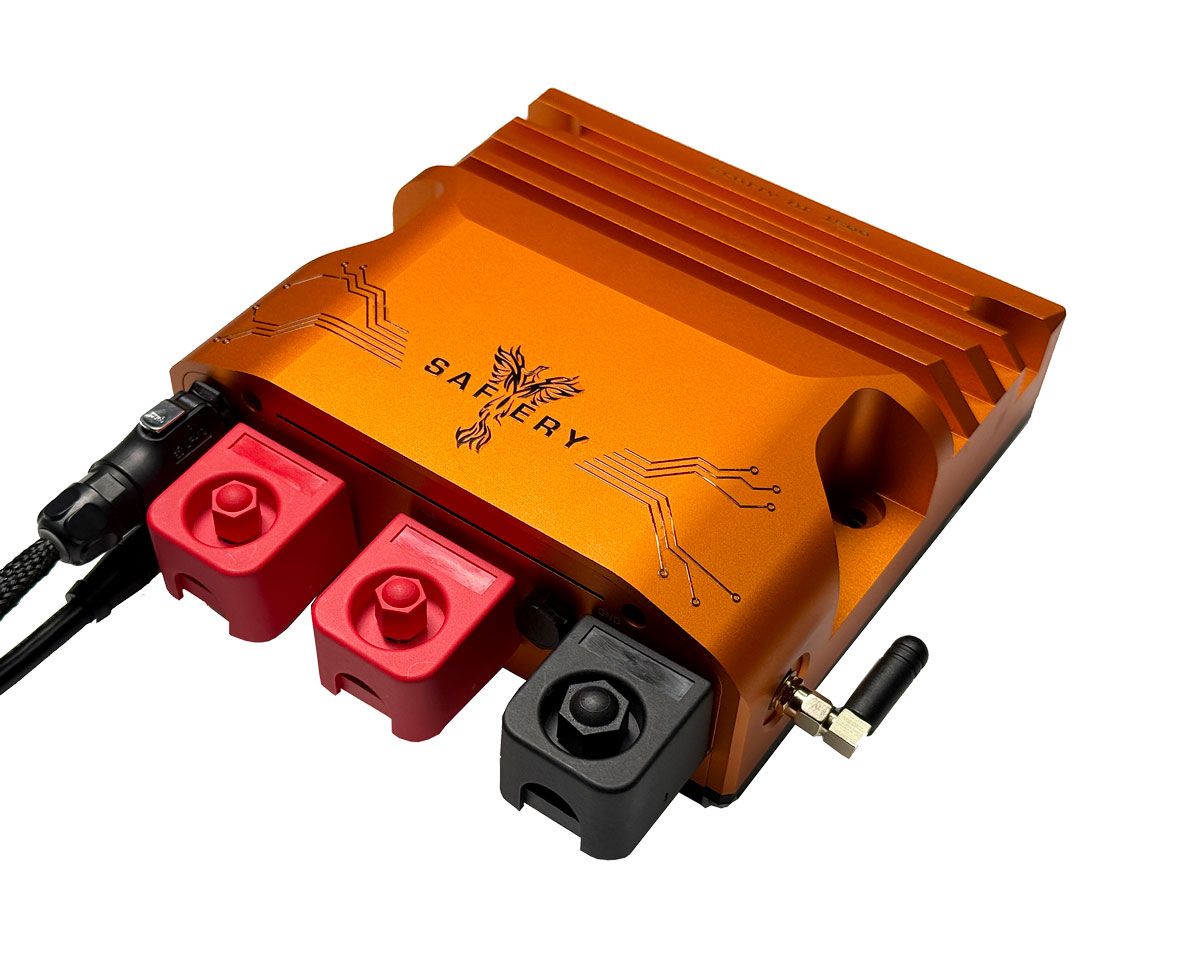
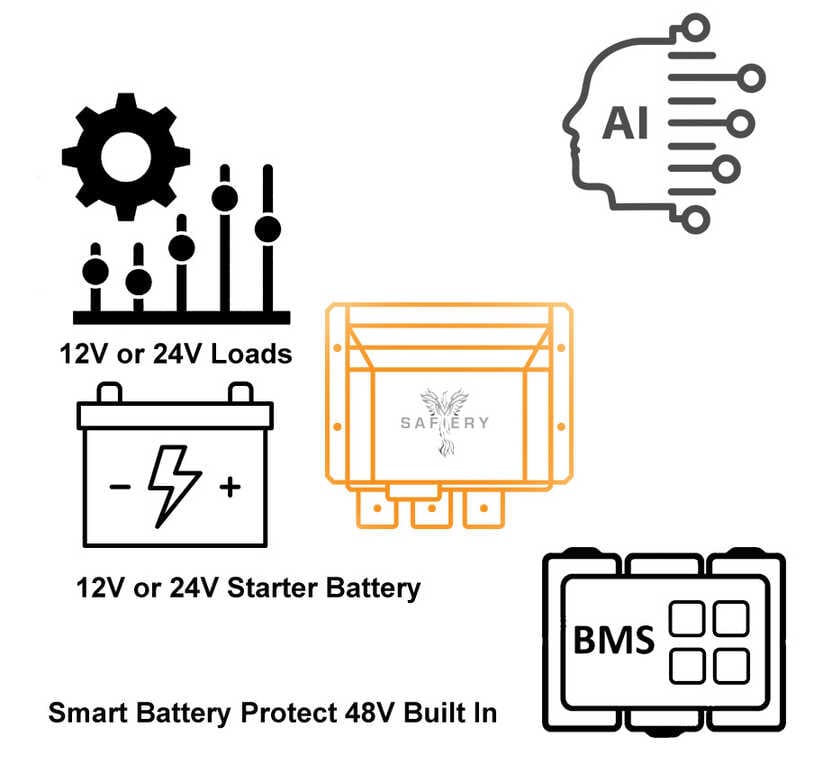
Scotty AI supports bi-directional power transfer, enabling it to charge a higher voltage battery (e.g., 48V) from a lower voltage source (e.g., 12V alternator) and supply power back to lower voltage loads when needed. This functionality is particularly beneficial for applications requiring multiple voltage levels, such as powering 12V accessories from a 48V battery bank.
– User-Friendly Interface:
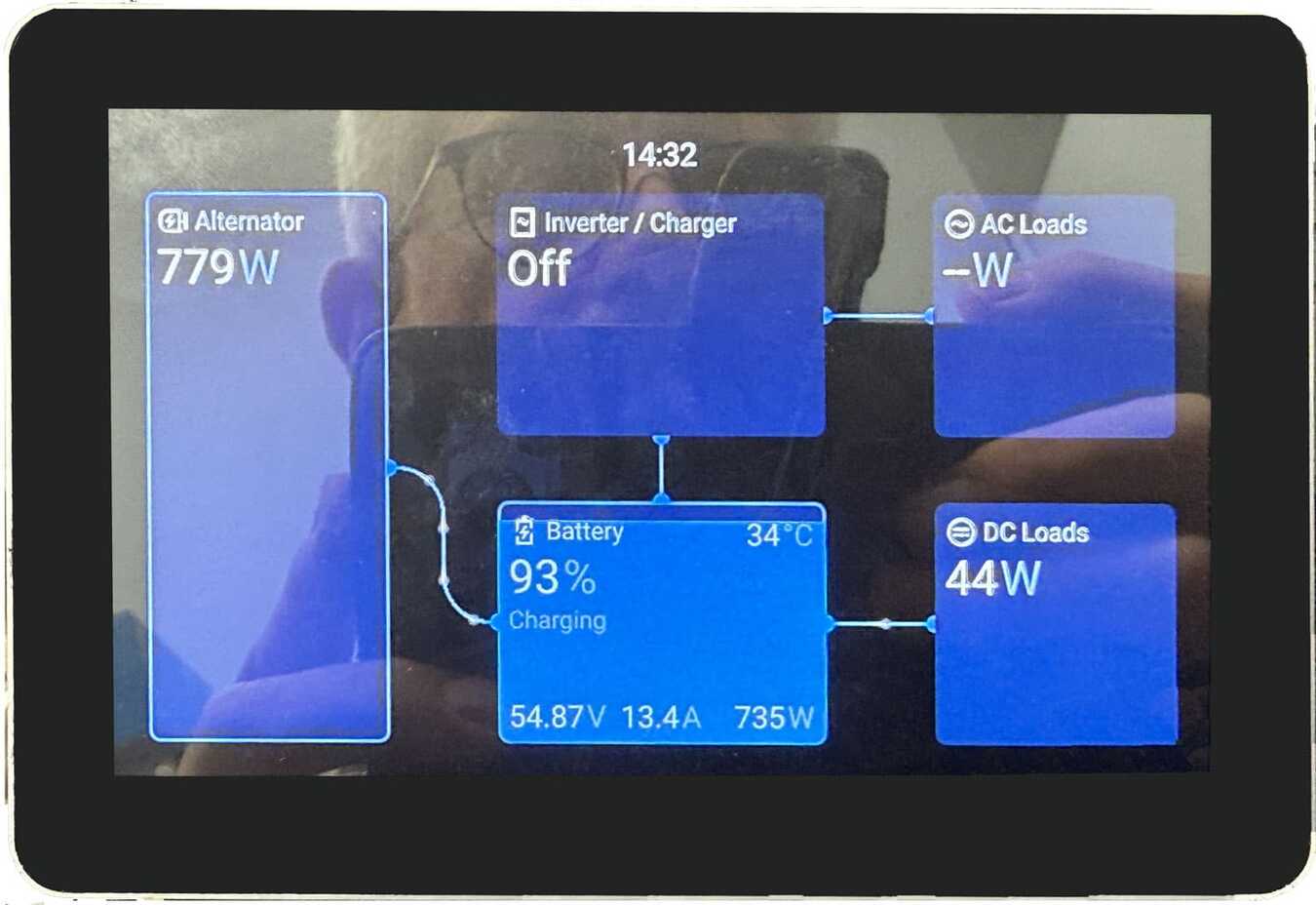
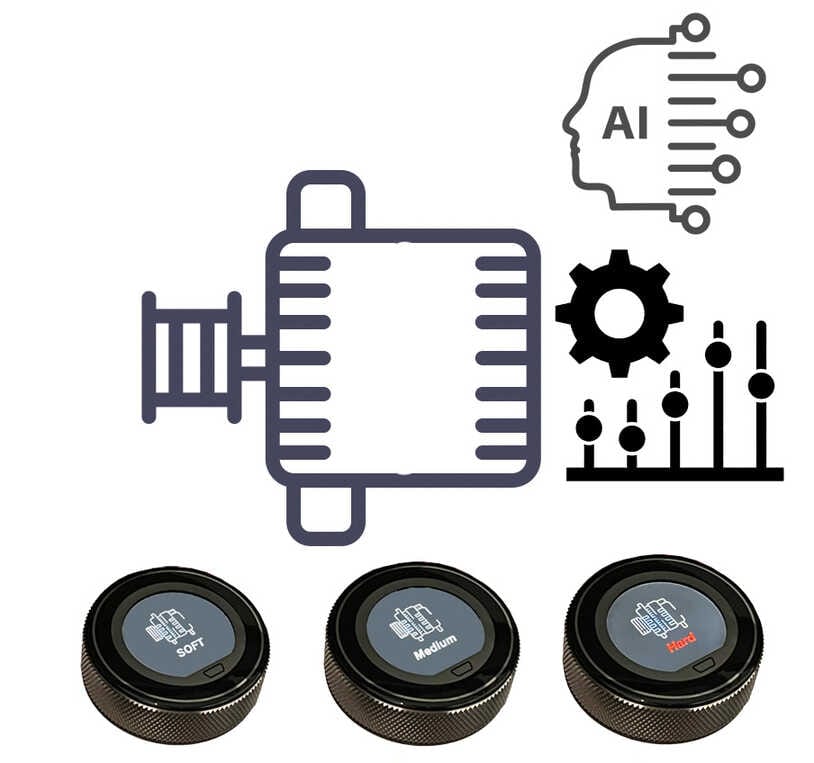
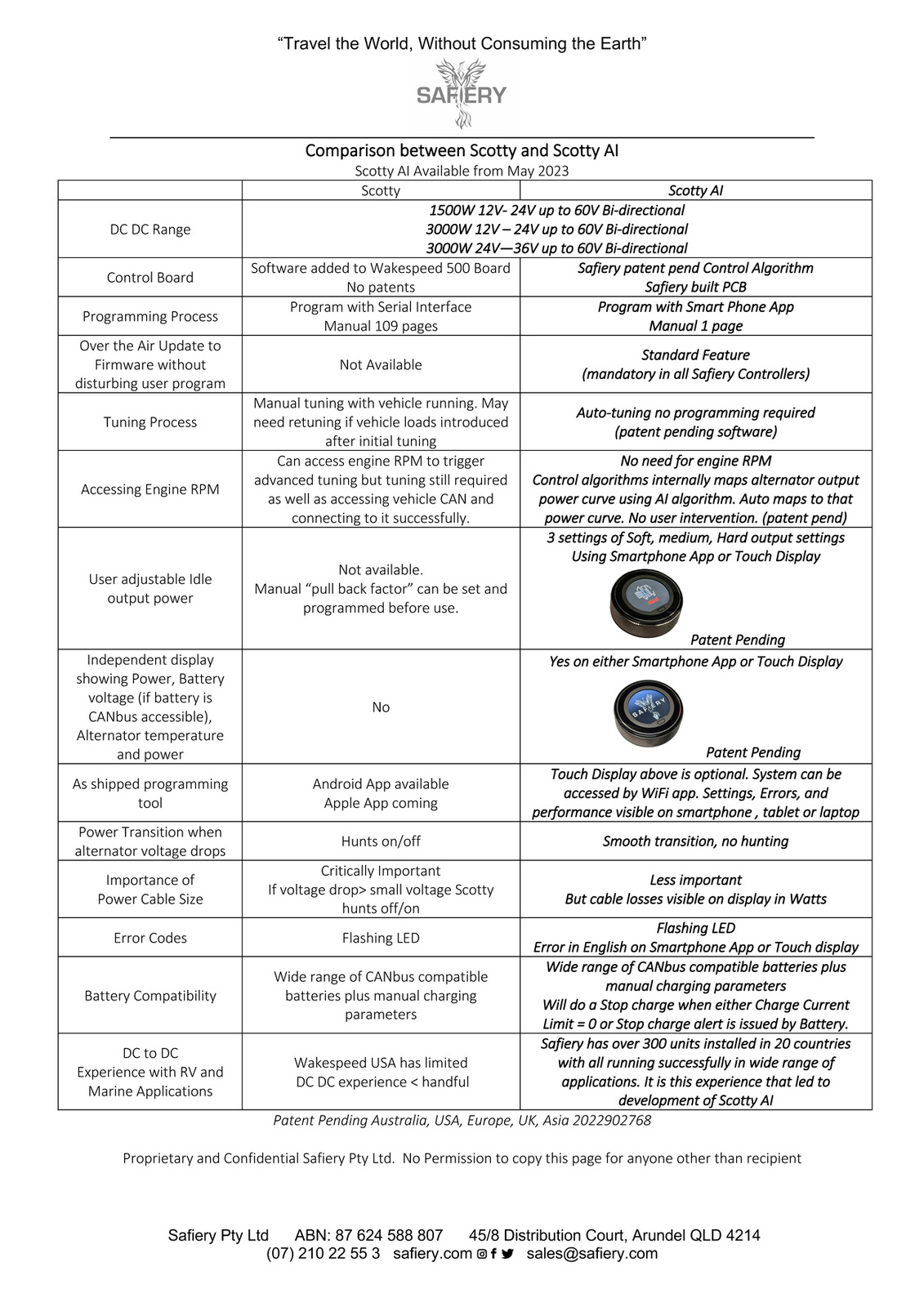
The system is compatible with a smartphone app and an optional touch display, allowing users to monitor performance, adjust settings, and perform over-the-air firmware updates. This ensures the system remains up-to-date with the latest features and improvements.
By integrating AI-driven auto-tuning, real-time alternator protection, and versatile bi-directional power capabilities, Scotty AI enhances energy efficiency and reliability in various off-grid and mobile power scenarios.
Pros and Cons of connecting Scotty AI to CAN BMS battery?
- Firstly, the charge rate does not change whether CAN connected or not. It makes zero difference to the maximum charge rate whether on CAN or not.
- Scotty AI will read the Charge Current Limit (CCL) on a Victron compatible CAN BMS and stop charging when this goes to zero.
- It will also go to zero if the maximum voltage is met and stay at zero until the float voltage value is met. Its very simple.
- There is also a stop charge input wire that if connected to Victron Lynx BMS will stop charge when the input is open.
- For some brands of BMS with relay out for stop charge, this input wire can also be inverted.
In Summary, there is no advantage of CAN connection from a single Scotty AI with CAN BMS. However, if two are installed in parallel then they have to have a CAN connection to each other. Connecting to Battery CAN is optional.